
Steel Fabricator & Manufacturing Insurance in QLD: Covers, Risks and Costs Explained

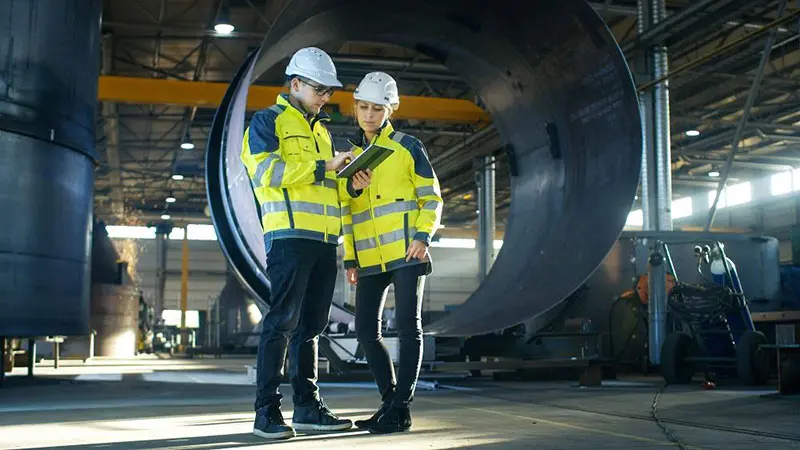
Running a steel fabrication or manufacturing business in Queensland means working with heavy machinery, hot work and products that other people trust to hold up buildings, mine sites and roads. One workshop fire, one faulty weld or one injured visitor can cost more than a full year’s profit. The right insurance stops a single bad day from closing your doors.
This guide explains the covers fabricators and manufacturers need, the risks insurers look at, what drives your premium and how a broker helps you get the right policy at a fair price.
What Is Steel Fabricator Insurance?
Steel fabricator insurance is not one single policy. It is a set of covers built around how your business actually works, whether you cut and weld in a workshop, install structural steel on site or manufacture products in volume. Most fabricators combine several policies into a business package so that their property, liability and income sit under one renewal.
Manufacturing insurance works the same way. Your broker tailors it to what you make, who buys it and where your products end up.
Who Needs This Cover?
This insurance suits a wide range of Queensland businesses, including structural steel fabricators and erectors, boilermakers and sheet metal workers, welding and engineering workshops, mining equipment and maintenance fabricators, and manufacturers of trailers, gates, balustrades, racking and machinery parts.
If you supply builders, mines or government projects, you will almost certainly need to show a certificate of currency before you start any job.
The Key Risks Fabricators and Manufacturers Face
Insurers price your policy on risk, so it helps to understand what they see when they look at your business.
Fire from hot work. Welding, grinding and cutting throw sparks across the workshop floor. Fire remains one of the biggest property risks in metalworking, and a single blaze can destroy stock, machinery and the building itself.
Product failure. A faulty weld on a handrail or a beam that doesn’t meet specification can cause injury, property damage and expensive rectification claims. Australian Standards such as AS/NZS 1554 for structural welding and AS/NZS 5131 for structural steelwork set the benchmark that courts and insurers measure your work against.
On-site injury and damage. When your team installs steel on someone else’s site, the principal contractor, other trades and the public can all bring claims against you.
Machinery breakdown. When a press brake, CNC plasma cutter or laser fails, production stops and deadlines slip.
Theft. Steel, copper, scrap and power tools attract thieves, especially from open yards and work utes.
Severe weather. Cyclones, storms and flooding in North Queensland can damage stock and shut a workshop for weeks.
Essential Insurance Covers for Fabricators
Public and products liability. For most fabricators, this is the most important cover. Public liability protects you when your business activities injure someone or damage their property. Products liability covers injury or damage your products cause after they leave your hands, which matters a great deal when your steel goes into structures that people use every day. Most principal contractors and mining companies ask for $10 million or $20 million in cover.
Property and contents. This covers your building, stock, raw materials and fit-out against fire, storm, flood (where included) and theft.
Machinery breakdown. It pays to repair or replace key equipment after a sudden mechanical or electrical failure, which standard property cover often excludes.
Business interruption. If insured damage forces you to close, this cover replaces lost income and pays ongoing costs such as wages and rent while you rebuild.
Tools and portable equipment. This protects welders, generators and hand tools wherever you take them, including on job sites and in vehicles.
Goods in transit. This covers your products while you deliver them to clients or sites.
Contract works. If you erect or install steel, this protects the work in progress until the project reaches handover.
Professional indemnity. If you design, draft or certify work, PI covers claims arising from errors in your advice or drawings.
Management liability and cyber. These protect directors from personal claims and your business from data breaches and online invoice fraud.
Workers’ compensation. In Queensland, most employers must take out workers’ compensation directly through WorkCover Queensland rather than a private insurer, so keep your policy current and declare wages accurately.
What Affects the Cost of Your Insurance?
No standard price exists because every workshop carries a different risk. Insurers look at your annual turnover and wages, the type of work you do (on-site erection and mining work usually cost more than workshop-only jobs), and what your products are used for, since load-bearing or structural products carry higher risk.
They also consider where your products go. Exports to the USA or Canada can increase your products liability premium or trigger exclusions. Your claims history, the value and construction of your premises, your fire protection, your location in cyclone or flood-prone areas and the excess you choose all affect the final price as well.
How to Reduce Your Premium Without Cutting Cover
You can lower your premium and still keep strong protection. Start by running a hot work permit system with a fire watch after welding, and keep your workshop clear of rubbish and flammable materials. Keep quality records, weld procedures and material certificates so you can prove your work met the standard. Strong security such as alarms, cameras and locked yards also makes a difference.
Bundling your covers into one business package often reduces cost, and choosing a higher excess can lower your premium if your cash flow can handle it. Finally, review your sums insured every year so you are neither underinsured nor paying for cover you don’t need.
Read Your Contracts Before You Sign
Many principal contractors and mining companies write contracts that make you responsible for losses beyond your normal legal liability. Standard liability policies may not cover these extra obligations. Ask your broker to check indemnity clauses, cover limits and “waiver of subrogation” requirements before you sign, not after a claim lands.
Why Use an Insurance Broker?
Fabrication and manufacturing are specialist risks, and not every insurer wants them. A broker knows which insurers accept your type of work, compares quotes across the market and explains exactly what each policy includes and excludes. When something goes wrong, your broker manages the claim with you, so you can keep your workshop running.
Frequently Asked Questions
Is public liability insurance mandatory for steel fabricators in QLD?
The law does not require it for every fabricator, but almost every commercial contract does. Builders and mines rarely let you on site without it.
Does insurance cover faulty welding?
Most liability policies cover the injury or property damage your faulty work causes. They usually exclude the cost of redoing the work itself.
How much does steel fabricator insurance cost?
Costs depend on your turnover, the work you do, your claims history and the covers you choose. A broker can give you an accurate quote after reviewing your business.
Can I get cover if I export my products?
Yes, but you must tell your insurer where your products go, especially if you export to North America.
Get the Right Cover for Your Workshop
Townsville Insurance Brokers helps fabricators and manufacturers across Queensland compare cover from leading insurers and build a policy that fits their work. Call 1300 270 772 or request a free quote today.
General Advice Warning: This information is general in nature and does not take into account your objectives, financial situation or needs. Consider whether it suits you and read the relevant Product Disclosure Statement before making any decision.
Subscribe to our newsletter
Related posts
More Blog Posts
Steel Fabricator & Manufacturing Insurance in QLD: Covers, Risks and Costs Explained
Mining Insurance in Queensland: What Mining Contractors Need to Be Covered (2026 Guide)
Is Professional Indemnity Insurance Mandatory in Australia? Requirements by Profession (QLD 2026)
Does Home Insurance Cover Flood in Queensland? Storm vs Flood vs Storm Surge Explained (2026 Guide)

Strata Insurance Townsville: Why Premiums Are High and How Body Corporates Can Reduce Them
Cyclone Season Checklist for Townsville Homeowners: Review Your Insurance Before November
What Does Public Liability Insurance Cover in Australia?

How Much Does Business Insurance Cost in Australia? A Complete Guide for Small Businesses
How Much Does Home Insurance Cost in Townsville, QLD?
Boat Insurance QLD: Compare Cover for Boats, Yachts & PWCs
Heavy Motor, Semi-Trailer & Trailer Insurance in Queensland

Apartment & Renters Insurance in Australia | Townsville Insurance Brokers

Landlord Insurance QLD | Landlord Policy Insurance Quote | Townsville Insurance Brokers

Caravan Insurance Australia: What It Covers, What It Costs, and How to Choose the Right Policy

Combined Truck & Trailer Insurance Australia | Guide

Truck Insurance in Australia: What You Actually Need to Know?

How Insurance Protects the Mining Industry from Risk and Disruption

10 Reasons to Get Commercial Truck Insurance in QLD

Truck and Trailer Insurance in Townsville: Cover Options, Costs and How to Choose


GRX Event 2025


Small Business Risk Management: 6 Proven Strategies to Protect Your Business

Mining Contractor Insurance: Why Contractors Arrange Their Own Cover


Professional Indemnity Excess Layer Insurance for Australian Businesses


Licensed Venue Insurance in Queensland: What Pubs, Bars and Restaurants Need

Transport sector insurance


Types of Business Insurance in Australia: What Your Business Actually Needs

Get In Touch With Us
Have questions about Insurance? We're here to help!