
Heavy Motor, Semi-Trailer & Trailer Insurance in Queensland
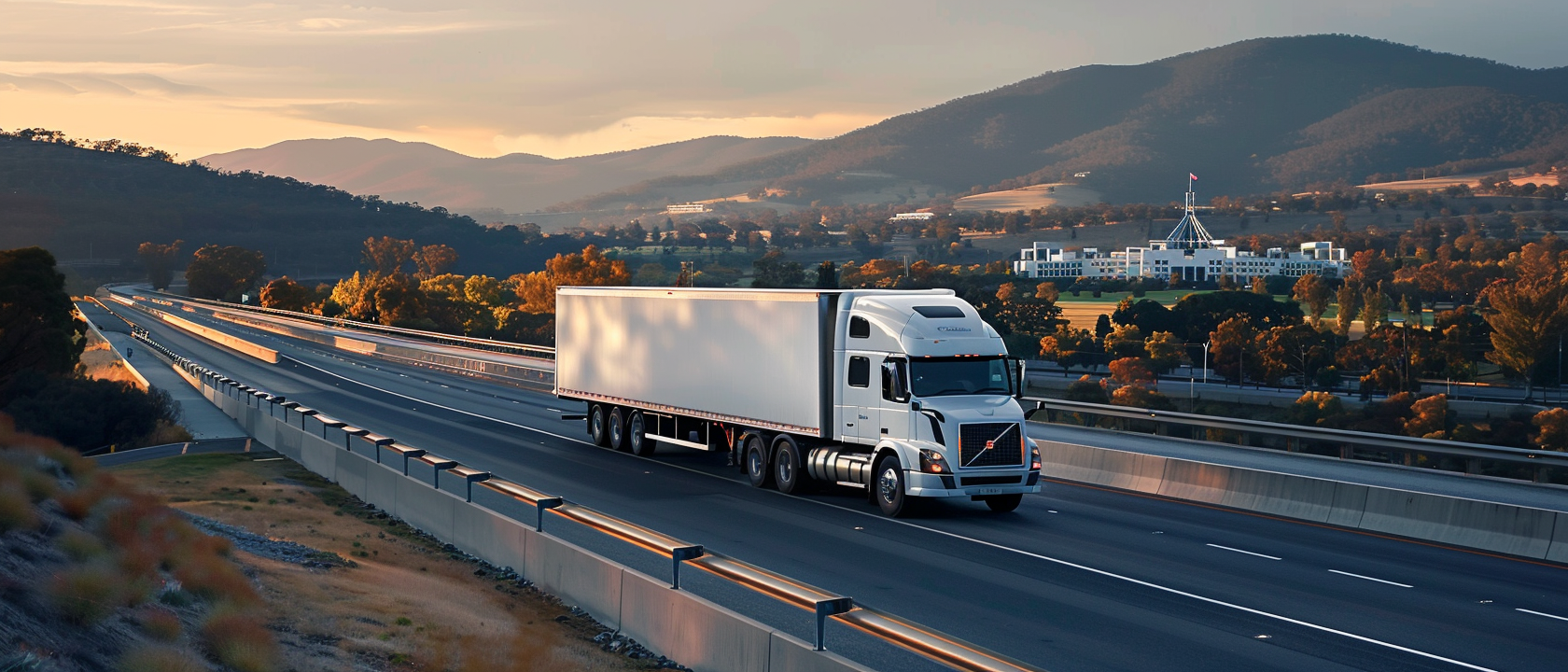
Heavy Motor, Semi-Trailer & Trailer Insurance for North Queensland
From Garbutt depots to Bohle, Stuart and the Port, North Queensland businesses keep Townsville moving. If you operate heavy motor vehicles, prime movers, semi-trailers or stand-alone trailers, having the right insurance can help protect your vehicles, equipment and business against accidents, theft, fire, storm damage and other insured risks.
We’re Townsville insurance brokers who help businesses arrange and compare heavy motor, semi-trailer and trailer insurance, including options for owned, hired, leased and non-owned trailers. We look at the way your vehicles are used, your operating radius, freight, drivers and coverage requirements rather than focusing only on the premium.
Why local broking matters in Townsville
- North Queensland risk profile: cyclonic weather, regional highways, cattle grids, mine-site access, long-distance travel and vehicle usage can all form part of an insurer's risk assessment.
- Faster claims: we coordinate local assessors, repairers and hire vehicles where your policy allows—so downtime is kept to a minimum.
- More than price: we compare excesses, exclusions and downtime options, not just premiums.
Heavy Motor Insurance (Tractor Truck / Prime Mover)
Heavy motor insurance can provide cover for commercial trucks, tractor trucks and prime movers against insured events such as collision, theft, fire, storm and vandalism, with Third-Party Property Damage cover available according to the policy.
Depending on your operation and policy, you may also need to consider:
- Downtime cover — a benefit that may help with loss of income while an insured vehicle is off the road, subject to the policy terms.
- Towing, salvage and recovery — particularly important for heavy vehicles operating across regional and remote areas.
- Windscreen, signwriting and accessories — where included or available under the policy.
- Finance or lease requirements — to help ensure the insurance arrangement meets contractual requirements.
- Driver and vehicle use requirements — including the types of drivers, freight and operations declared to the insurer.
The cover available depends on the insurer, policy wording, limits, exclusions and underwriting requirements.
Semi-Trailer Insurance
Your semi-trailer is an important commercial asset, so it should be insured according to its value, type, ownership and how it is used.
Semi-trailer insurance can provide cover for different types of commercial trailers, including flat tops, curtainsiders, refrigerated trailers, skeletal trailers, drop-deck trailers and other specialised equipment.
Depending on the policy, semi-trailer insurance may include:
- Comprehensive cover for insured accidental damage
- Fire and Theft cover, where selected
- Trailer in Control / Non-owned Trailer cover when you use a trailer belonging to someone else
- Refrigerated unit and machinery extensions, where applicable
- Towing, recovery and salvage following an insured event, subject to policy limits
- Goods in Transit or cargo insurance, where required for the freight you carry
Does a Semi-Trailer Need Its Own Insurance?
A semi-trailer is a separate asset from the prime mover that pulls it. You should not automatically assume that your truck or prime mover insurance provides comprehensive cover for an owned semi-trailer.
Depending on your circumstances, a trailer may be:
- Added to a heavy motor policy
- Specifically listed or scheduled
- Covered under a fleet arrangement
- Insured under a stand-alone trailer policy
If you regularly use trailers that you do not own, ask about Trailer in Control or Non-Owned Trailer insurance.
The right structure depends on ownership, trailer value, usage, operating arrangements and the insurer's policy terms.
Stand-Alone Trailer Insurance
Stand-Alone Trailer Insurance
Stand-alone trailer insurance can be suitable when a trailer is insured separately from the prime mover that normally pulls it.
This option may be worth considering when:
- A trailer is garaged separately
- The trailer is used with different trucks or prime movers
- You operate multiple trailers
- The trailer is owned separately from the truck
- You need the trailer insured as an individual commercial asset
- A trailer is regularly interchanged between vehicles
A stand-alone arrangement is not automatically better or cheaper than adding the trailer to a heavy motor policy. We can compare the available options based on the trailer's ownership, value, usage and your overall insurance requirements.
Trailer in Control Insurance
Trailer in Control insurance is relevant when your business is responsible for a trailer that you do not own. This can include a hired, borrowed, leased or otherwise non-owned trailer that is in your care, custody or control.
If you regularly tow another business's trailer, do not assume that your standard truck insurance automatically covers damage to that trailer.
Trailer in Control or Non-Owned Trailer cover may be relevant if you:
- Hire or borrow trailers
- Tow a customer's trailer
- Use trailers owned by another transport operator
- Interchange trailers between businesses
- Regularly tow non-owned semi-trailers
- Are responsible for a trailer while it is in your care
The exact cover varies between insurers and policies. Ask whether your policy specifically includes Trailer in Control insurance, which trailer types are covered, what limits apply and whether the cover applies when the trailer is attached, parked or otherwise in your care.
Trailer in Control insurance is different from insurance for a trailer you own. An owned trailer may require scheduled or stand-alone trailer insurance, while a non-owned trailer can create a separate liability exposure.
Trailer Hire Insurance
If you hire a trailer for your transport business, check who is responsible for loss or damage while the trailer is in your possession.
Trailer hire insurance may be relevant where the hire agreement makes your business responsible for damage to the hired trailer.
Before hiring a trailer, check:
- Who owns the trailer?
- Who is responsible for damage?
- Does the owner provide insurance?
- Does your policy cover hired or non-owned trailers?
- Is Trailer in Control cover required?
- What excess applies?
- Does the cover apply while the trailer is parked or disconnected?
Your insurance should match the responsibilities set out in the trailer hire agreement. Do not assume your standard truck policy automatically covers every hired trailer.
Do Trailers Need to Be Insured?
Whether a trailer needs separate insurance depends on the type of trailer, how it is used, who owns it and what insurance cover is already in place.
For commercial operators, the insurance arrangement may differ depending on whether you have:
- An owned trailer — which may need scheduled or stand-alone trailer insurance
- A hired or borrowed trailer — which may require Trailer in Control or Non-Owned Trailer cover
- A leased or financed trailer — which may have specific insurance requirements from the lessor or financier
- Multiple trailers — which may be insured through a fleet or commercial motor arrangement
It is also important to distinguish trailer insurance from cargo insurance. Cover for the physical trailer does not necessarily mean that the goods being transported are insured.
If you are unsure whether your trailer is covered, check your policy schedule and ask your broker to confirm exactly which trailer, value and usage are insured.
Trailer Liability Coverage
Trailer liability coverage can be relevant when your business has responsibility for a trailer or causes damage to another person's property while operating the vehicle combination.
Trailer liability should not be confused with:
- CTP insurance
- Comprehensive trailer insurance
- Third-Party Property Damage
- Goods in Transit insurance
- Public Liability insurance
- Trailer in Control insurance
These covers address different risks and may have different limits, exclusions and conditions.
If you use owned, hired or non-owned trailers, ask your broker which liability covers apply to your specific operation.
What Affects Heavy Motor and Semi-Trailer Insurance Costs?
- Insurance premiums can vary significantly between operators because insurers assess the specific risk involved. Factors may include:
- Vehicle and trailer value — including the type, age and configuration of the vehicle
- Type of trailer — such as semi-trailer, refrigerated, skeletal or specialised equipment
- Operating radius — including local, regional, interstate and remote operations
- Drivers — including experience, age, licence details and claims history
- Security — such as secure garaging, immobilisers, telematics and dashcams
- Cargo type — including the type of freight carried and loading or unloading conditions
- Excess and coverage limits — the amount you retain and the level of cover selected
- Trailer ownership — whether the trailer is owned, leased, hired or non-owned
How Much Does Semi-Trailer Insurance Cost?
There is no standard price for semi-trailer insurance in Australia. The premium depends on the insurer's assessment of the trailer and the way it is used.
Factors that can affect the cost include:
- Trailer type and value
- Age and condition
- Operating radius
- Freight or cargo carried
- Driver and claims history
- Security arrangements
- Selected excess
- Coverage limits
- Whether the trailer is owned, leased, hired or non-owned
- Optional cover such as downtime or specialised equipment
For an accurate quote, an insurer or broker will generally need details about the trailer, its value, use and the business operating it.
FAQ
Is Trailer Insurance Separate From Truck Insurance?
It can be, but it does not always have to be.
A trailer may be covered under a heavy motor policy, specifically listed on the policy, included in a fleet arrangement or insured through stand-alone trailer insurance.
The right structure depends on who owns the trailer, how it is used, whether it is regularly interchanged between vehicles and the requirements of the insurer.
If you hire, borrow or tow a trailer owned by someone else, ask about Trailer in Control or Non-Owned Trailer insurance.
What Is Semi-Trailer Insurance?
Semi-trailer insurance is cover for the semi-trailer and its insured equipment against risks specified in the policy. Depending on the cover selected, this may include accidental damage, theft, fire and storm damage.
A semi-trailer can be insured as part of a heavy motor arrangement, through a fleet policy or under stand-alone trailer insurance.
If you use a semi-trailer that you do not own, Trailer in Control or Non-Owned Trailer cover may also need to be considered.
How Do I Reduce Heavy Motor Insurance Costs in Townsville?
Insurers assess each transport operation differently, but businesses can discuss risk-management measures such as secure garaging, telematics, dashcams, driver training records and an appropriate excess with their broker.
It can also be useful to compare the full cost of different insurance structures rather than focusing only on the headline premium. Consider the excess, coverage limits, exclusions, downtime options and any separate trailer or cargo requirements.
Does Towing a Trailer Affect Insurance?
It can. Insurers need to understand what you are towing, who owns the trailer, how it is used and what responsibilities your business has while the trailer is in your care.
When you regularly tow a trailer, provide accurate information about:
- Trailer type and value
- Whether you own, hire or borrow it
- The goods carried
- Operating radius
- How frequently trailers are changed or interchanged
If you tow a non-owned trailer, ask whether Trailer in Control or Non-Owned Trailer insurance is appropriate for your operation.
What to do after a prang (our claims playbook)
- Make safe & photograph the scene, loads and damage.
- Call us first—we open the claim, arrange towing/assessment, and check downtime benefits.
- Keep receipts for emergency repairs or accommodation; they may be claimable.
- Tell us early about third-party damage—our job is to protect your position.
Ready to roll?
Whether you operate a single prime mover, one semi-trailer or a fleet of heavy vehicles and trailers, we’ll compare available insurance options and explain the differences between heavy motor, semi-trailer, stand-alone trailer and Trailer in Control cover.
Call us now or request a quote for heavy motor, semi-trailer or trailer insurance in Townsville and North Queensland.
Disclaimer
This article provides general information only and does not consider your objectives, financial situation or needs. Coverage, limits and premiums vary by insurer and risk profile. Read the Product Disclosure Statement (PDS) and policy schedule before making a decision. Insurance is subject to underwriting approval and policy terms.
Subscribe to our newsletter
Related posts
More Blog Posts

Is Professional Indemnity Insurance Mandatory in Australia? Requirements by Profession (QLD 2026)

Does Home Insurance Cover Flood in Queensland? Storm vs Flood vs Storm Surge Explained (2026 Guide)

Strata Insurance Townsville: Why Premiums Are High and How Body Corporates Can Reduce Them
Cyclone Season Checklist for Townsville Homeowners: Review Your Insurance Before November
What Does Public Liability Insurance Cover in Australia?

How Much Does Business Insurance Cost in Australia? A Complete Guide for Small Businesses

How Much Does Home Insurance Cost in Townsville, QLD?

Boat Insurance QLD: Compare Cover for Boats, Yachts & PWCs
Heavy Motor, Semi-Trailer & Trailer Insurance in Queensland

Apartment & Renters Insurance in Australia | Townsville Insurance Brokers


Landlord Insurance QLD | Landlord Policy Insurance Quote | Townsville Insurance Brokers
Caravan Insurance Australia: What It Covers, What It Costs, and How to Choose the Right Policy

Combined Truck & Trailer Insurance Australia | Guide

Truck Insurance in Australia: What You Actually Need to Know?

How Insurance Protects the Mining Industry from Risk and Disruption

10 Reasons to Get Commercial Truck Insurance in QLD

Truck and Trailer Insurance in Townsville: Cover Options, Costs and How to Choose


GRX Event 2025


Small Business Risk Management: 6 Proven Strategies to Protect Your Business

Mining Contractor Insurance: Why Contractors Arrange Their Own Cover


Professional Indemnity Excess Layer Insurance for Australian Businesses


Licensed Venue Insurance in Queensland: What Pubs, Bars and Restaurants Need

Transport sector insurance


Types of Business Insurance in Australia: What Your Business Actually Needs

Get In Touch With Us
Have questions about Insurance? We're here to help!