
Combined Truck & Trailer Insurance Australia | Guide

If you own or operate a prime mover, truck and trailer, you may be wondering whether you need separate insurance policies or whether your truck and trailer can be covered together.
Combined truck and trailer insurance can simplify your cover by placing the prime mover and trailer under the same commercial motor insurance arrangement. However, combined cover is not automatically the best option for every transport business. The right structure depends on ownership, how the trailer is used, the type of freight you carry, your operating radius and the insurer's policy wording.
This guide explains how combined truck and trailer insurance works in Australia, what it can cover, when separate trailer insurance may be appropriate, and what to check before choosing a policy.
What Is Combined Truck and Trailer Insurance?
Combined truck and trailer insurance is an insurance arrangement where your truck or prime mover and trailer are covered under the same policy or commercial motor insurance programme, rather than being insured through completely separate arrangements.
For an owner-driver, this can make administration easier because the truck and trailer can be reviewed together when arranging cover, renewing the policy or making a claim.
However, "combined" does not mean that every risk automatically applies to both vehicles.
Your policy may still specify:
- The insured truck or prime mover
- Each trailer covered
- The value of each vehicle
- The type of use
- The operating radius
- The applicable excess
- Coverage limits
- Optional extensions
- Exclusions and conditions
Always check the policy schedule and Product Disclosure Statement (PDS) to confirm exactly what is insured.
What Is a Prime Mover?
A prime mover is the powered truck unit used to pull a semi-trailer. It contains the engine, cab and fifth-wheel coupling used to connect the trailer.
Prime mover insurance and trailer insurance address different physical assets, even when the two operate as one combination.
This is important because you should not assume that insuring the prime mover automatically provides comprehensive physical damage cover for every trailer you tow.
Do You Need Separate Insurance for a Truck and Trailer?
Not necessarily.
Depending on the insurer and your circumstances, an owned trailer may be:
- Included under a commercial motor policy
- Listed or scheduled with the truck
- Covered under a combined truck and trailer arrangement
- Insured under a separate stand-alone trailer policy
The appropriate structure depends on the ownership and use of the trailer.
For example, combined cover may be convenient when you own one prime mover and one trailer and they normally operate together.
Separate or differently structured cover may make more sense when:
- A trailer is owned by another business
- You lease or hire the trailer
- One trailer is used with several trucks
- You operate multiple trailers
- Your trailers have significantly different values
- You need different coverage levels
- You operate a larger fleet
The important question is not simply whether the truck and trailer are on the same policy. The important question is whether the entire combination and the risks associated with its use are properly covered.
Does Truck Insurance Automatically Cover the Trailer?
Do not assume it does.
Some commercial motor policies may provide certain cover for trailers, while others require the trailer to be specifically listed, scheduled or covered by an extension.
This becomes particularly important when:
- The trailer is owned by someone else
- The trailer is hired
- The trailer is leased
- The trailer is used behind different prime movers
- The trailer is parked or disconnected
- You regularly tow non-owned equipment
Ask your broker or insurer specifically:
Is my trailer covered for physical damage, theft, fire and other insured events when it is attached to the truck and when it is disconnected?
Also ask whether any Trailer in Control or non-owned trailer extension is required when you use someone else's trailer.
What Does Combined Truck and Trailer Insurance Cover?
The exact cover varies between insurers and policies, but commercial truck and trailer insurance can include several important areas.
1. Accidental Damage
Comprehensive commercial motor cover may protect an insured truck or trailer against accidental damage caused by events such as collisions or other insured incidents.
The exact definition of an insured event, applicable excess and settlement basis will depend on the policy wording.
2. Fire, Theft and Storm Damage
Depending on the selected cover, protection may be available for risks such as:
- Fire
- Theft
- Attempted theft
- Storm
- Hail
- Flood
- Vandalism
Check the PDS and policy schedule because exclusions, limits and conditions can differ between insurers.
3. Third-Party Property Damage
Third-party property damage cover can help protect your business if your insured vehicle causes damage to another person's property or vehicle, subject to the policy terms and liability limits.
This is different from CTP insurance.
4. Downtime or Loss of Income Cover
For a transport operator, a damaged truck can mean more than a repair bill.
If the vehicle is off the road following an insured event, downtime or loss-of-income cover, where available, may help reduce the financial impact of the interruption.
The benefit will normally have specific limits, waiting periods and conditions.
5. Goods in Transit or Cargo Insurance
Truck insurance does not automatically mean the goods being transported are fully insured.
If your business carries freight for customers, you may need separate goods in transit or carriers' cargo insurance, depending on the nature of your operation and contractual responsibilities.
The truck, trailer and cargo are different exposures and should be assessed separately.
6. Towing, Salvage and Recovery
Heavy vehicles can be difficult and expensive to recover after an accident, particularly when operating long distances or in regional areas.
Depending on the policy, towing, recovery or salvage costs may be covered or available as an optional extension.
Check the limits before assuming all recovery expenses will be paid.
CTP vs Truck and Trailer Insurance
CTP and commercial motor insurance are not the same thing.
Compulsory Third Party (CTP) insurance primarily relates to personal injury liability arising from motor vehicle accidents. It is not a substitute for comprehensive truck or trailer insurance and generally does not cover damage to property.
Requirements vary between Australian states and territories.
For Queensland operators, most trailers do not require separate CTP when they are being towed by a Queensland-registered vehicle, but specific rules apply to heavy trailers. Queensland's Motor Accident Insurance Commission identifies trailers over 4.5 tonnes GVM as a specific CTP class in certain circumstances.
For this reason, Queensland operators should confirm their CTP position with their CTP insurer or the relevant Queensland authority.
CTP should therefore be considered separately from:
- Comprehensive truck insurance
- Trailer insurance
- Third-party property damage
- Cargo insurance
- Downtime cover
Owned, Leased, Hired and Non-Owned Trailers
The ownership of the trailer can significantly affect how it should be insured.
Owned Trailer
If you own the trailer, make sure the trailer is correctly identified and insured for its actual value and use.
Do not assume that because it is normally attached to your truck it is automatically comprehensively insured.
Financed or Leased Trailer
If the trailer is financed or leased, the finance company or lessor may have specific insurance requirements.
These can include:
- Required level of cover
- Minimum sum insured
- Interested party or financier details
- Evidence of insurance
Check these requirements before arranging the policy.
Hired Trailer
If you hire a trailer, review the hire agreement carefully.
The contract may make you responsible for damage to the trailer even when you do not own it.
Your insurance needs to match those contractual responsibilities.
Non-Owned Trailer / Trailer in Control
If you regularly tow trailers owned by another party, ask whether Trailer in Control or non-owned trailer cover is available and appropriate for your operation.
This can be particularly relevant to transport businesses that interchange trailers or regularly use equipment belonging to customers or other operators.
Combined vs Separate Truck and Trailer Insurance
There is no universal answer that one structure is right for every operator.
Combined arrangement
Separate arrangement
One insurer or programme may simplify administration
Different assets can have different policies
Potentially easier renewal management
Useful when trailers are used independently
Claims involving both assets may be easier to coordinate
May suit different ownership arrangements
Can work well for an owner-driver
Can work well for multiple or interchangeable trailers
Can be structured around the complete vehicle combination
May provide greater flexibility for individual assets
The key is to compare the actual cover, exclusions, limits and premium, rather than choosing based only on the number of policies.
Is Combined Truck and Trailer Insurance Cheaper?
It can be, but there is no guarantee.
Insurance premiums are based on the insurer's assessment of the risk. Factors can include:
- Vehicle and trailer values
- Type of truck
- Trailer type
- Freight carried
- Operating radius
- Driver experience
- Claims history
- Security measures
- Business location
- Vehicle use
- Excess
- Coverage limits
- Optional benefits
For this reason, do not assume that putting the truck and trailer together will always produce the lowest premium.
A better approach is to compare the cost and coverage of:
- Combined truck and trailer cover
- Truck cover with trailer added
- Separate trailer insurance
- A broader fleet or commercial motor programme, where relevant
The cheapest premium is not necessarily the most suitable option if it leaves important gaps in cover.
What Affects the Cost of Truck and Trailer Insurance?
Vehicle and Trailer Value
Higher-value trucks, prime movers and specialised trailers generally represent a greater potential loss for an insurer.
Operating Radius
Local, regional, interstate and long-distance operations can carry different underwriting considerations.
Always tell the insurer where the vehicle actually operates.
Type of Freight
The goods you transport can affect the risk assessment.
For example, refrigerated freight, machinery, hazardous goods and high-value cargo can have different insurance considerations.
Driver History
Insurers may consider driver age, experience, licence details, claims history and other underwriting information.
Security
Security measures can also form part of the underwriting assessment.
Examples include:
- Secure garaging
- Immobilisers
- GPS tracking
- Telematics
- Dash cameras
- Yard security
Excess
Your selected excess can affect both the cost of the policy and the amount you may need to contribute following an insured claim.
What Information Do You Need for a Truck and Trailer Insurance Quote?
Having the correct information ready can make the quoting process easier.
A broker or insurer may ask for:
- Truck make and model
- Truck year
- Truck value
- Trailer make and model
- Trailer year
- Trailer value
- Trailer type
- Registration details
- Vehicle use
- Operating radius
- Freight type
- Driver information
- Claims history
- Security arrangements
- Finance or lease details
- Existing insurance
- Desired coverage level
For fleets, additional information about the number and type of vehicles may be required.
Common Truck and Trailer Insurance Coverage Gaps
Before buying a policy, ask about these areas specifically:
1. Is every trailer listed?
Do not assume "truck and trailer" means every trailer you use is automatically covered.
2. Is the trailer covered when disconnected?
A trailer may spend time parked, stored or disconnected from the prime mover.
Ask what cover applies during those periods.
3. What happens with a non-owned trailer?
If you borrow, hire or interchange trailers, check whether Trailer in Control or non-owned trailer cover is required.
4. Is cargo covered?
Truck insurance and cargo insurance are not necessarily the same thing.
5. Is downtime covered?
If your truck is your source of business income, check whether downtime cover is available and understand its limits.
6. What is the excess?
A lower premium can sometimes come with a higher excess.
7. What is excluded?
Read the PDS and policy schedule for exclusions, conditions, limits and obligations.
ASIC notes that a PDS provides important information about insurance products, including exclusions, caps, limits and conditions.
When Might Combined Truck and Trailer Insurance Suit You?
Combined cover may be worth considering if:
- You own both the prime mover and trailer
- They normally operate together
- You want simpler policy administration
- You prefer one insurance contact
- You want the truck and trailer assessed as part of the same commercial operation
- You are an owner-driver with a relatively straightforward setup
When Might Separate Cover Make More Sense?
A different arrangement may be appropriate when:
- The trailer belongs to another business
- You regularly swap trailers between trucks
- You operate several different trailer types
- Your trailers have different values or uses
- You need different coverage levels
- You operate a larger fleet
- Your contractual obligations require specific cover
The right structure should be based on your actual business operation rather than simply whether a policy is labelled "combined".
How to Compare Truck and Trailer Insurance Quotes
When comparing quotes, look beyond the premium.
Ask:
- Is the prime mover covered?
- Is every trailer covered?
- Are trailers listed individually?
- Is disconnected trailer cover included?
- Is non-owned or Trailer in Control cover available?
- What third-party property damage limit applies?
- Is downtime cover available?
- Is cargo or goods-in-transit insurance required separately?
- What excess applies?
- What are the major exclusions?
- What is the agreed or market value basis?
- Does the policy match my operating radius?
- Does it meet finance or lease requirements?
- What happens if I add another trailer later?
A good commercial motor insurance comparison should consider the whole transport operation, not just the cheapest annual premium.
Frequently Asked Questions
Is combined truck and trailer insurance compulsory in Australia?
No. A combined truck and trailer insurance arrangement is not itself a mandatory insurance product. However, compulsory insurance requirements apply to registered vehicles, and the exact requirements vary by jurisdiction. CTP should also be distinguished from optional commercial motor and property-damage insurance.
Can I insure my truck and trailer under one policy?
In many cases, insurers can arrange cover for the truck and trailer under the same commercial motor insurance programme or policy structure. The trailer may need to be specifically listed or scheduled. Always confirm the arrangement with the insurer or broker.
Does truck insurance cover a semi-trailer?
Not automatically. Whether a semi-trailer is covered depends on the policy wording and how the trailer is identified or scheduled. Ask your insurer whether physical damage, theft and other risks are covered for the specific trailer.
Do I need separate insurance for a trailer?
Not necessarily. An owned trailer may be included under a commercial motor policy, while a stand-alone trailer policy may be appropriate in other circumstances. Hired and non-owned trailers can require different arrangements.
Does CTP cover damage to my truck or trailer?
No. CTP is primarily designed to cover personal injury liability arising from motor vehicle accidents. It is not a replacement for comprehensive commercial motor or property-damage insurance. In Queensland, most trailers being towed by a Queensland-registered vehicle do not need separate CTP, subject to specific rules for heavy trailers.
Does truck insurance cover cargo?
Not necessarily. Cargo or goods-in-transit insurance is a separate exposure and may need separate cover depending on what you transport and your contractual responsibilities.
What is Trailer in Control insurance?
Trailer in Control or non-owned trailer cover can provide protection when your business is responsible for a trailer that belongs to someone else. Availability and wording vary between insurers.
Can I insure multiple trailers?
Yes, commercial motor insurance can often be structured for businesses operating multiple trailers. The trailers may need to be individually identified, depending on the insurer and policy.
How much does truck and trailer insurance cost?
There is no single standard price. Premiums depend on factors such as vehicle value, trailer value, freight, operating radius, drivers, claims history, security and selected cover. The most accurate way to establish the cost is to request a quote based on your actual operation.
What should I check before buying truck and trailer insurance?
Check the policy schedule and PDS for the insured vehicles, sums insured, excesses, coverage limits, exclusions, operating conditions, trailer arrangements, cargo requirements and optional benefits such as downtime cover.
Get Help Comparing Truck and Trailer Insurance
Choosing between combined truck and trailer insurance, separate trailer insurance or a broader commercial motor programme depends on how your transport business actually operates.
At Townsville Insurance Brokers, we help truck owners, owner-drivers and transport businesses compare commercial motor insurance options for trucks, trailers and fleets.
We can help you review:
- Truck and prime mover insurance
- Trailer insurance
- Heavy motor insurance
- Commercial motor insurance
- Non-owned or Trailer in Control options
- Cargo and goods-in-transit insurance
- Downtime cover
- Fleet insurance
The goal is to make sure your insurance structure matches your vehicles, freight, drivers and business operations.
Request a truck and trailer insurance quote today and speak with a broker about your specific requirements.
General Advice Warning
This article provides general information only and does not take into account your objectives, financial situation or insurance needs. Insurance coverage, limits, exclusions, premiums and eligibility vary between insurers and policies. Read the relevant Product Disclosure Statement (PDS), policy wording and policy schedule carefully before making a decision. If you are unsure about your insurance requirements, speak with a qualified insurance professional.
Subscribe to our newsletter
Related posts
More Blog Posts
Mining Contractor Insurance in North Queensland: Covers, Contract Requirements and Costs


Professional Indemnity Insurance QLD: Who Needs It, What It Covers and What It Costs (2026)

Strata Insurance QLD: What Your Body Corporate Must Insure, What It Costs and How to Compare Quotes (2026)
Public Liability Insurance QLD: What It Costs, Who Needs It and Which Limit to Choose (2026)

Steel Fabricator & Manufacturing Insurance in QLD: Covers, Risks and Costs Explained
Mining Insurance in Queensland: What Mining Contractors Need to Be Covered (2026 Guide)

Is Professional Indemnity Insurance Mandatory in Australia? Requirements by Profession (QLD 2026)

Does Home Insurance Cover Flood in Queensland? Storm vs Flood vs Storm Surge Explained (2026 Guide)

Strata Insurance Townsville: Why Premiums Are High and How Body Corporates Can Reduce Them
Cyclone Season Checklist for Townsville Homeowners: Review Your Insurance Before November

What Does Public Liability Insurance Cover in Australia?

How Much Does Home Insurance Cost in Townsville, QLD?

Boat Insurance QLD: Compare Cover for Boats, Yachts & PWCs
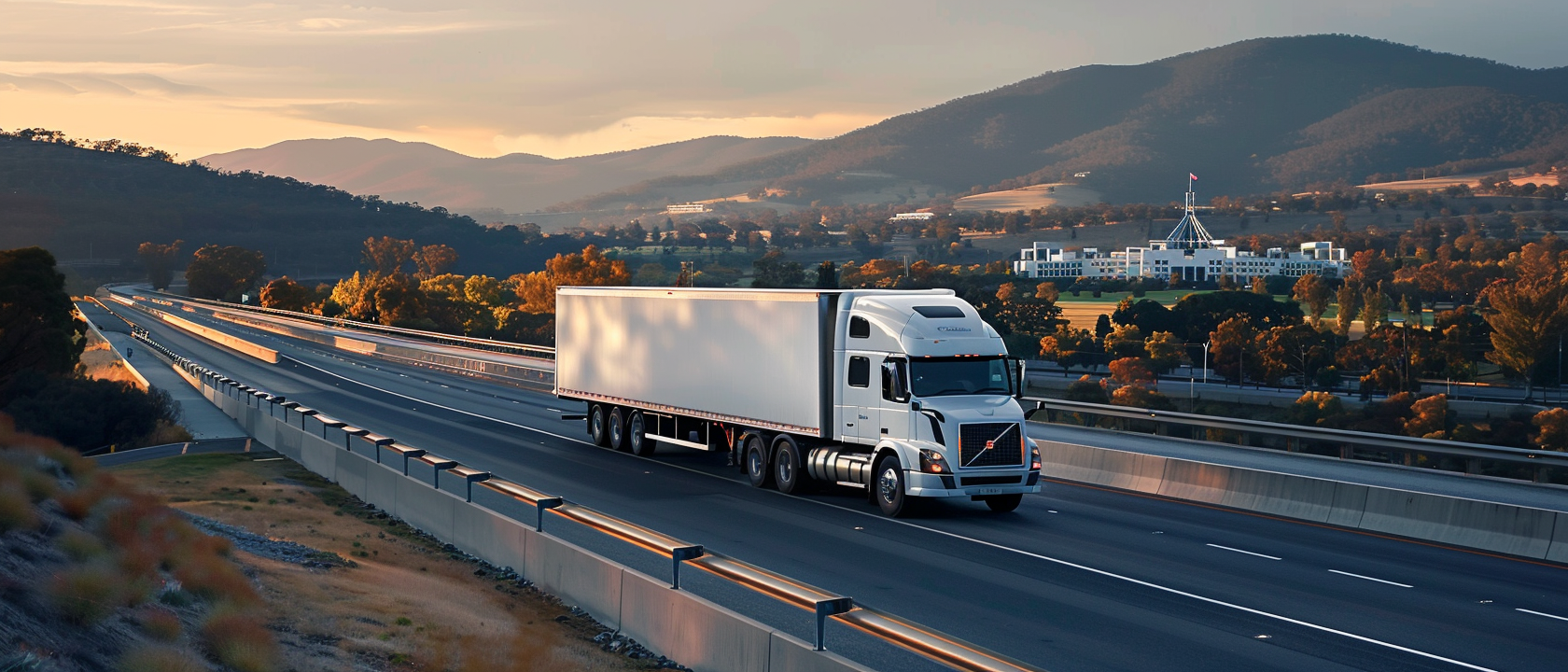
Heavy Motor, Semi-Trailer & Trailer Insurance in Queensland

Apartment & Renters Insurance in Australia | Townsville Insurance Brokers


Landlord Insurance QLD | Landlord Policy Insurance Quote | Townsville Insurance Brokers
Caravan Insurance Australia: What It Covers, What It Costs, and How to Choose the Right Policy

Boat Insurance in QLD: Are You Really Covered?
Combined Truck & Trailer Insurance Australia | Guide

Transport Insurance: Protect Your Business in Australia

How Insurance Protects the Mining Industry from Risk and Disruption

10 Reasons to Get Commercial Truck Insurance in QLD

Truck and Trailer Insurance in Townsville: Cover Options, Costs and How to Choose


GRX25: Building Mining Connections | Townsville


Small Business Risk Management: 6 Proven Strategies to Protect Your Business

Mining Contractor Insurance: Why You Need Your Own Cover


Professional Indemnity Excess Layer Insurance for Australian Businesses


Licensed Venue Insurance in Queensland: What Pubs, Bars and Restaurants Need

Transport Insurance: Protect Your Business & Goods


Types of Business Insurance in Australia: What Your Business Actually Needs

Get In Touch With Us
Have questions about Insurance? We're here to help!